May 12, 2026
Physician (MD; DO; DPM; DDS; DC)

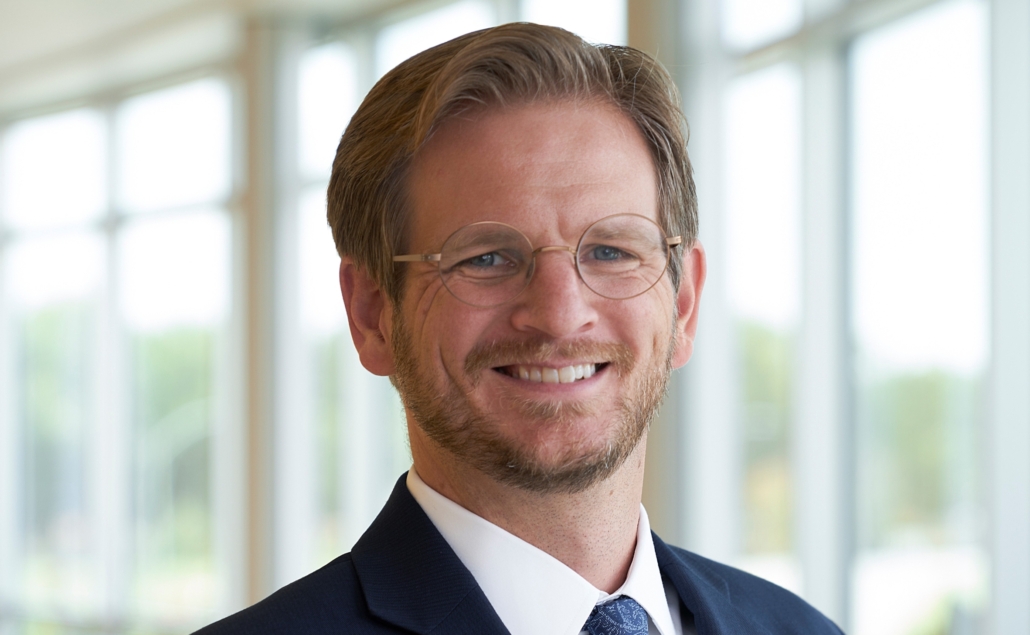
Meet Dr. Ky Dorsey, Utah psychiatrist and Do No Harm member.
Dr. Dorsey is no stranger to treating patients who experience gender dysphoria.
As a psychiatry resident at the Johns Hopkins Hospital in 2015, he had the opportunity to train in the Sexual Behavior Consultation Unit (now Sex and Gender Clinic), gaining knowledge and training across the spectrum of psycho-sexual disorders including gender dysphoria. Even as a novice psychiatrist, he had misgivings surrounding so-called “gender-affirming care.”
“I already had a sense that the idea of gender being purely a ‘construct’ separate from sex was unscientific. The gender-affirmation approach seemed dubious to me even then.”
In the years that followed, the “gender-affirming care” model would come to dominate the landscape of treatment for gender dysphoria. Dr. Dorsey noted that asking critical questions about a patient’s sense of identity, specifically regarding gender, started becoming taboo. Even in the non-academic practice setting in Utah where he worked, practitioners were being expected to use “chosen” pronouns on patient charts, at times receiving e-mails from administration when this did not occur.
But it wasn’t until Dr. Dorsey began working at the University of Oklahoma School of Community Medicine in Tulsa in 2022 that he began to see how dogmatic the culture in academic medicine had truly become.
“It was the height of cancel culture and the DEI movement. It felt like walking on eggshells everywhere you went. Trying to even have an academic conversation about ‘gender-affirming care’ with anything but a sense of agreement was so difficult. There were faculty members who were pushing the idea as a clinical truth and moral right rather than as a subject for investigative discussion… I was even told that ‘misgendering’ someone or not using first-person pronouns at all could be considered harassment or a micro-aggression which might justify investigation.”
Psychiatry, which should have been a field of open scientific inquiry, had instead become a vehicle for top-down political correctness and conformity. It was clear the residents and students had not been given another clinical lens through which to see gender dysphoria or its treatment. So, Dr. Dorsey began having informal conversations one-on-one with trainees who seemed interested in hearing another side of the issue.
“I gave the same disclaimer every time I had ‘the talk’ which was: You never have to agree with me on this topic. This is just how I see things as I understand them. Then I would walk them through some of the history of gender dysphoria as a construct, its treatment, the influence of WPATH and the lack of evidence supporting gender-affirming care. We would talk about the psychiatric underpinnings of identity and the idea that what you think you feel does not necessarily dictate what you are.”
And to his encouragement, he saw that his ideas were well received in the younger generation of practitioners.
“While not everyone agreed with my point of view, almost everyone appreciated having the conversation. More than a few trainees told me that they feared asking questions or expressing doubts surrounding the gender-affirmation approach. When I left OU-Tulsa this year to move back to Utah, more than one resident thanked me specifically for not backing down on the issue.”
Now, he’s continuing to speak out as a member of Do No Harm.
But Dr. Dorsey knows from experience that the fight is far from over.
The ideologues pushing this radical agenda haven’t gone anywhere — they’re just laying low. And if the political winds shift, they’ll resume engaging in these harmful practices.
That’s why, more than anything, it’s up to doctors, nurses, and students to stand up for truth and compassion in medicine and reject the intrusion of gender ideology in medicine.
And Dr. Dorsey is setting the example.