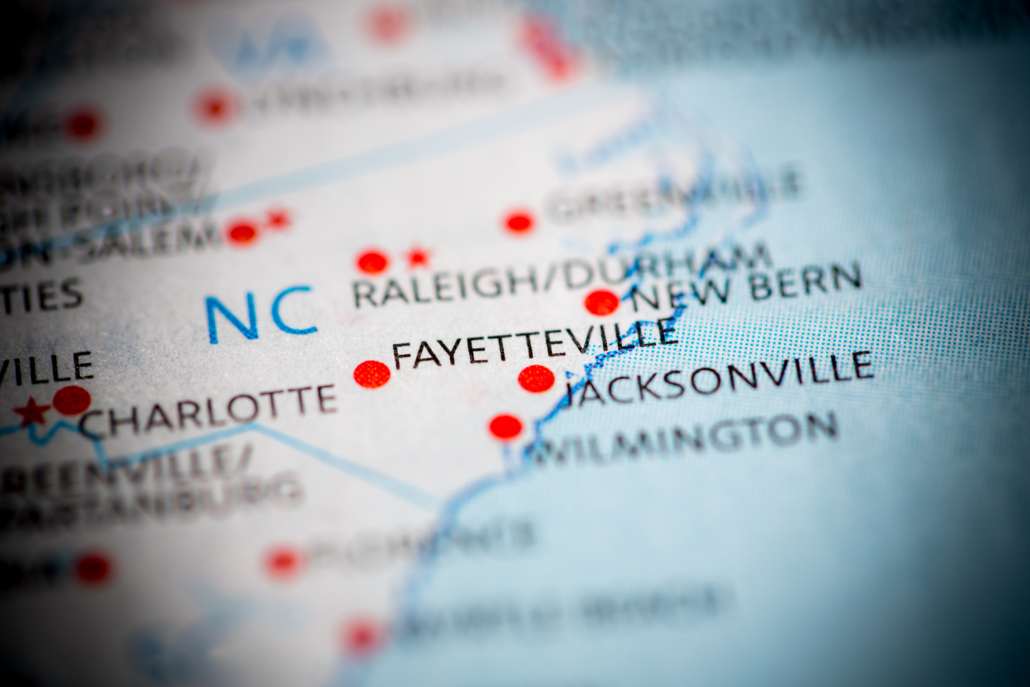
Methodist University’s new Cape Fear Valley Health School of Medicine has recruited its inaugural class of students and will begin instruction later this month. Unfortunately, the budding institution appears to have laid a foundation of DEI.
Located in Fayetteville in south-central North Carolina, Methodist’s new School of Medicine was created in part to address a physician shortage east of the state-bisecting Interstate 95. As such, one might expect (and indeed one finds) an emphasis on the healthcare needs of a particular set of people in the institution’s materials.
Methodist SOM’s job page, for example, cites its “clear mission to prepare graduates who are … community-engaged.”
The institution’s “Mission, Vision & Values” page specifically notes that, “[i]n non-metropolitan counties in North Carolina, growth in physicians-per-capita has been slow” and that “[t]he University’s … medical school will be perfectly positioned to address this deficiency.”
The new school intends to prepare graduates “who will contribute to … improving health outcomes … wherever they may practice.” Nevertheless, “southeastern North Carolina” receives a particular nod.
None of this is undesirable. Regional physician shortages are real, and a medical school created to address that gap has every right to hold to a community-focused mission.
The problem occurs when an appropriate regional focus gives way to inappropriate DEI ideology.
That is already happening at Methodist SOM. The previously cited job page, for instance, mentions not only “community-engaged” graduates but graduates who are “focused on equity.”
The page boasts of Methodist SOM’s “Diversity & Inclusion Initiatives,” noting its “targeted recruitment and retention efforts aimed at ensuring a diverse faculty and student body.”
Over on the “Mission, Vision & Values” page, site visitors learn that graduates should be “equity-focused physician leaders who will contribute to mitigating health disparities.”
Because the institution intends to “educate a diverse population,” it lists among its “Values” a desire for “Inclusive Belonging.”
One might reasonably ask what any of this has to do with medical science. Indeed, like most of the doctrines of the “Diversity, Equity, and Inclusion” movement, this thinking has at its core the assumption that “systemic” forces have created racist outcomes that only social engineering can address.
If that proposition is true, then DEI advocates should produce the evidence. That they are unable to do so reveals much about the ideological (rather than scientific) nature of their claims.
Nevertheless, Methodist’s new medical school appears to be constructing a DEI apparatus that may already be affecting hiring and admissions. Regarding the latter, consider the words of Hershey Bell, MD, the institution’s dean: “What stood out” as Methodist SOM measured applicants “was not just academic excellence, but alignment with our mission.”
It may well be the case that south-central and southeastern North Carolina need a medical school. But they don’t need a woke one.