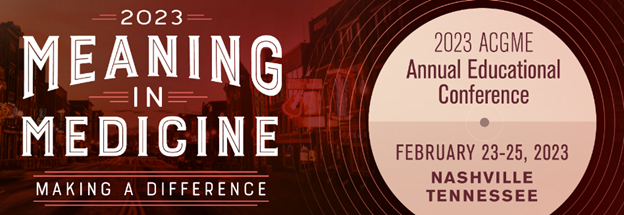
The Accreditation Council for Graduate Medical Education (ACGME) launched its 2023 annual education conference titled Meaning in Medicine: Making a Difference. As we recently reported, the organization strives to provide GME program directors with “continuous learning and process improvement” in DEI and anti-racism. But the ACGME is ready to refresh those DEI credentials with no fewer than 11 woke sessions at the annual conference – and even virtual reality isn’t left out of the new indoctrination strategies. Speakers at these sessions are from the AAMC, AMA, ACGME, and other professional organizations, medical schools, and academic medical centers. Here are the descriptions of the sessions, in the ACGME’s own words.
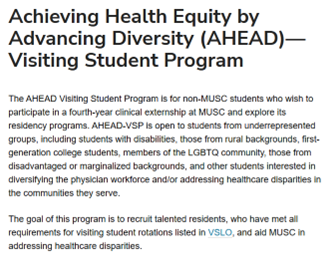
SES032: Progress in Demographic Data Alignment in Medical Education to Advance Health Equity. This didactic session will: 1) review the final categories for ethnoracial demographic collecting and reporting and how the organizations came to this schema; 2) provide a review of the existing literature related to the phenomenon of racial concordance in physician care and the educational value of diversity in medical education; 3) highlight examples of how diversity in the physician workforce may improve health equity, but that alone is insufficient; and 4) discuss how collection of data may be traumatizing for some and how the field can work to mitigate that and expand concerns about how data is used to a discussion of psychological safety.
SES050: Reimagining Residency Selection: Promoting Equity and Reducing Bias in GME. Residency selection should also emphasize the value alignment of applicants with that of programs. However, selection processes at many institutions continue to place a significant emphasis on academic metrics, which creates unequitable processes and impact on selection of diverse candidates.
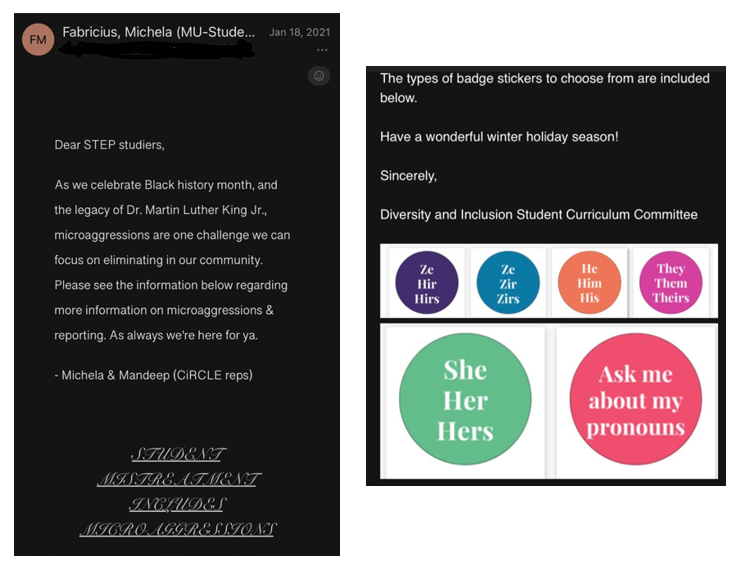
SES056: Imposter Syndrome: How it Holds Our Learners (and Us!) Back and What to Do about It. Women and minorities in medicine are more likely suffer from higher rates of imposter syndrome due to frequent microaggressions that undermine an individual’s confidence and self-esteem, which likely contributes to the pervasive gender and racial leadership gaps in academic medicine.
SES060: Addressing Structural Racism to Promote Equity and Well-Being in the Learning Environment. This didactic session will describe examples of the experiences of residents from various marginalized groups as was captured in the ACGME Equity MattersTM Foundations in DEI materials, followed by a scoping review of the existing literature related to the well-being of residents of color and a menu of evidence-informed options for program directors to leverage as they continue their journey toward equity and resident well-being.
SES067: International Medical Graduates Add Valuable Diversity to US GME. The presenters will describe the regulatory and structural barriers and biases that [international medical graduates] in US GME face and guide a discussion about how best to support and encourage IMGs.
SES071: Implicit Bias and Group Decision Making in the [Clinical Competency Committees] and [Program Evaluation Committees]. At the end of this session, participants will be able to recognize how unconscious bias can be introduced into common decisions made in CCCs and PECs and will have a framework to mitigate bias and avoid committee groupthink.
SES077: Holistic Review in Practice: Real Programs with Real Results. Participants will leave with an understanding of tangible practices and tools they might adapt and adopt to create more equitable selection processes for their own programs.
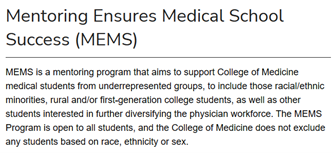
SES100: Plugging the Leak: Creating an Inclusive and Equitable Environment for UIM Residents. Roles of “safe peer space;” accountability by providing public data surveillance of residents terminated or on probation by race; holistic review of due process policies; early mentorship and networking; empowered ombudsman support; strategy to rectify assessment inequities; effective, longitudinal, and mandatory diversity and anti-racist education for all faculty members, staff members, and residents; oversight; and governance will be reviewed.
SES114: ACGME Equity Matters™: DEI Outcomes from the Learning Communities. Participants will learn about the ACGME Equity Matters initiative and hear from participants of its first cohort of Learning Communities about what they are doing to improve recruitment and retention at their organizations.
SES121: Virtual Reality: A Longitudinal Simulation Curriculum for Diversity, Equity, and Inclusion. As the physician workforce continues to become more diverse, it is imperative to educate residents on strategies to combat acts of discrimination as they recognize their own biases. This session will describe one Sponsoring Institution’s longitudinal DEI simulation journey utilizing virtual reality (VR) in medical education.
SES123: Standing Up to Patient Microaggressions. Cumulatively microaggressions are detrimental to learning, patient care, and well-being; effects are compounded for non-white individuals. To create an optimal clinical learning environment, everyone must learn to stand up to microaggressions consistent with the 2022 Association of American Medical Colleges Diversity, Equity, and Inclusion competencies!
Is this really the way to provide “meaning in medicine”? The only way that ACGME is “making a difference” at their conference is by advocating for diversity over meritocracy in GME and pounding more woke ideology into the heads of residency program directors.
Is your professional organization promoting divisive ideology in its national conferences? Do No Harm wants to hear from you via our secure online portal.