
Last fall, Do No Harm sued pharmaceutical giant Pfizer over its Breakthrough Fellowship Program, a highly prestigious and competitive program which illegally excluded White and Asian candidates from applying.

The program’s requirements explicitly stated that applicants must “meet the program’s goals of increasing the pipeline for Black/African American, Latino/Hispanic and Native Americans.” 

In short – Pfizer was picking winners and losers based on their skin color. 

After a federal judge dismissed the case, Do No Harm immediately appealed, and following that appeal Pfizer has quietly – without any public announcement or fanfare – updated the Breakthrough Fellowships’ criteria

The new FAQ states: “You are eligible to apply for the Breakthrough Fellowship Program regardless of whether you are of Black/African American, Latino/Hispanic, or Native American descent.” 

“Do No Harm is pleased that Pfizer recognizes its blatant racial discrimination is unlawful and immoral,” said Dr. Stanley Goldfarm, MD, chairman of Do No Harm. “It is important to recognize that this significant change was made only after Do No Harm’s lawsuit, and only because Pfizer knows its fellowship is in jeopardy on appeal.”

Despite Pfizer’s under the radar change of course, Do No Harm will proceed with its lawsuit to ensure that Pfizer does not continue or resume its racial discrimination that has no place in society.  

About Do No Harm
Do No Harm is a diverse group of physicians, healthcare professionals, medical students, patients, and policymakers united by an ethical mission: Protect healthcare from a radical, divisive, and discriminatory ideology. They believe in making healthcare better for all – not undermining it in pursuit of a political agenda. Learn more at www.donoharmmedicine.org.


Are Oklahoma’s taxpayer-funded universities pushing divisive and even discriminatory ideas?

That’s what Oklahoma State Superintendent Ryan Walters asked all 25 state colleges and universities in a January letter. It’s a valid question, given the politicization of higher education, and the truth is essential to ensuring that Oklahoma’s higher education provides the best possible learning experience. Yet the superintendent – as well as Gov. Stitt and state lawmakers – may want to pay special attention to places hardly anyone expects: Oklahoma’s medical schools.

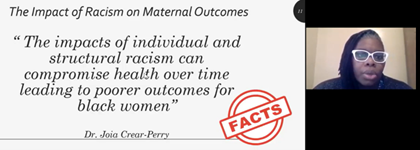
Superintendent Walters is seeking details on “every dollar” state schools are spending on “diversity, equity, and inclusion,” as well as how many staff are devoted to this issue. DEI, as it’s known, is part of the political narrative that society suffers from “systemic racism.” It demands a greater focus on people’s skin color instead of their character or individual characteristics. DEI has even been used to justify policies like preferential treatment by race, which is racial discrimination by another name.

Such toxic ideas have no place in higher education, much less anywhere else. That’s why it’s so concerning that Oklahoma medical schools have embraced this ideology so thoroughly. Put simply, it threatens the quality of education future physicians receive, and the quality of care they will provide to patients for the rest of their careers.

My organization has spent the past year investigating the extent to which education has been replaced by indoctrination at medical schools. Consider what’s happening at the University of Oklahoma College of Medicine, which we’ve investigated using the state’s freedom of information law.

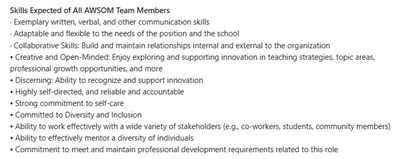
We found that the OU’s medical school has a department fully dedicated to advancing DEI within the institution, with frequent communication to faculty, staff, and students alike. There’s a permanent bureaucracy pushing divisive ideas on everyone, taking time and resources away from real medical education.

What’s more, the OU medical school now hires and promotes faculty based on their work on DEI. That’s a political litmus test that has nothing to do with medicine, and everything to do with forcing educators to toe the party line. Faculty should be hired based on their ability to teach and research at the highest level, not whether they hold specific views.

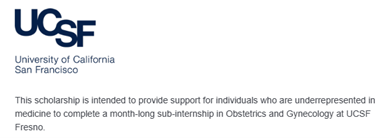
Other medical schools are offensive, too. OU’s Tulsa School of Community Medicine offers a course and stipend that are only available to students of particular races – and whites aren’t allowed. That’s racial discrimination, which is why we’ve filed a civil rights complaint with the federal government. We’ve also asked the feds to investigate 12 schools – including Oklahoma State University and the University of Tulsa – that participate in a recruitment program based solely on race. Federal authorities are already investigating such discriminatory practices in other states, for good reason.

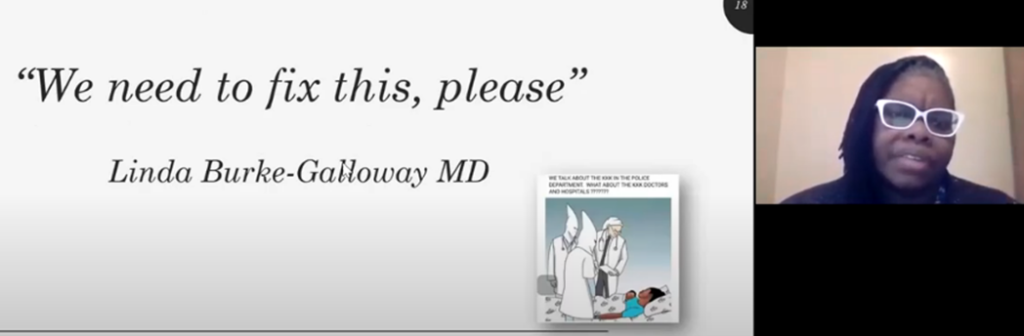
Taxpayers – and just as important, patients – have every right to be worried. In other states, DEI has been used to justify ongoing indoctrination in medical schools, taking precious time away from helping students learn how to provide the best care. And we’ve even seen university teaching hospitals announce plans to give minority patients preferential access to care – an overt example of racial discrimination that will lead to worse health outcomes for countless patients.

Oklahomans deserve to know exactly how far the state’s medical schools have gone down this radical road. This issue goes well beyond the quality of the education they provide. Ultimately, it affects the health and well-being of everyone who will one day be treated by the physicians these institutions teach. Here’s hoping Oklahoma can cure this corruption of medical schools, along with the rest of higher education.
Dr. Stanley Goldfarb, a former associate dean of curriculum at the University of Pennsylvania’s Perelman School of Medicine, is chairman of Do No Harm.

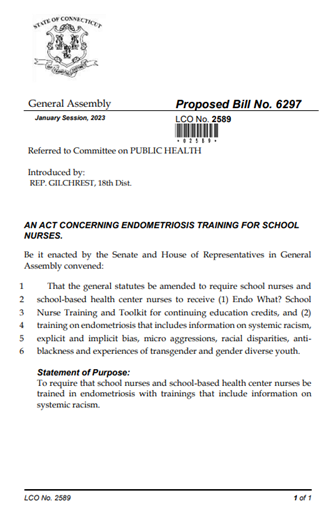
The Connecticut legislature wants to ensure its school nurses can detect systemic racism in students’ uteruses.

Rep. Jillian Gilchrest of the Connecticut General Assembly has been busy during the 2023 legislative session, including co-sponsoring legislation prohibiting the sale or barter of dead kangaroos, mitigating climate change, and introducing a bill promoting “equitable holidays” for state employees. But one proposed bill recently gained attention on social media: An Act Concerning Endometriosis Training for School Nurses.

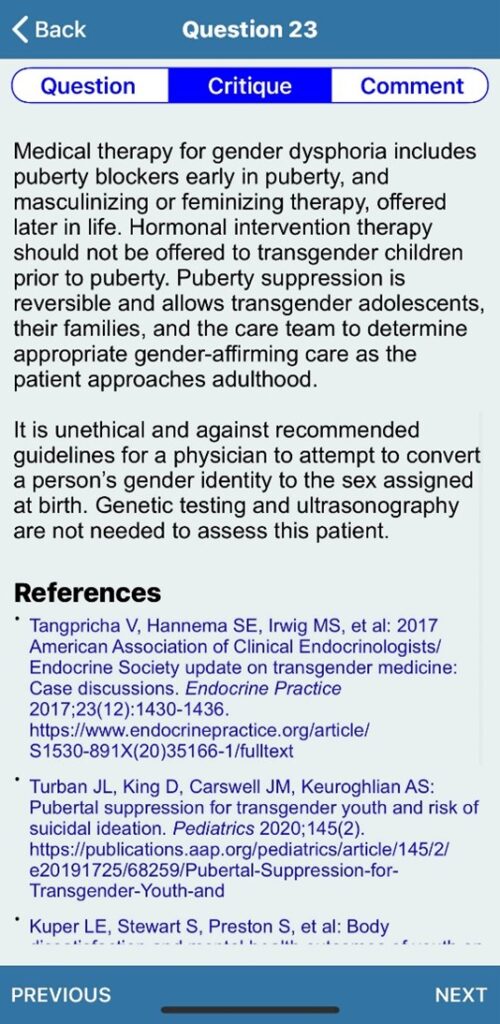
HB 6297 says that school nurses and those serving in school-based health centers must be required to receive “(1) Endo What? School Nurse Training and Toolkit” and “(2) training on endometriosis that includes information on systemic racism, explicit and implicit bias, micro aggressions, racial disparities, anti-blackness, and experiences of transgender and gender diverse youth.

Figure 1. HB 6297, Connecticut General Assembly 2023.

Moving past the fact that one must be trained and certified as an advanced practice nurse to diagnose and treat a medical condition, the provisions of this bill are facially absurd. Having spent several years of my nursing career in rural New Mexico, I gained a wide variety of experience in the field, including school nursing. I can confidently state that none of the students who came into the office said that their tummy aches or menstrual cramps were due to systemic racism or implicit bias. Working as an operating room nurse during many hysterectomies, there was no way to distinguish the race or ethnicity of the uteruses once they were in the specimen container. And, during multiple medical and surgical treatments for endometriosis as a young woman, my doctors never attributed the problem to “anti-blackness.”

Said one tweet about the Connecticut bill: “All that oppression in one uterus.”

Let’s demand more from our lawmakers who are proposing legislation in the name of public health. School nurses have more important topics to study for their continuing professional development. Most of all, children need protection from radical ideologies, not the promotion of them.  

Laura L. Morgan MSN, RN is the program manager for Do No Harm.